GABORONE, BOTSWANA — September 2026
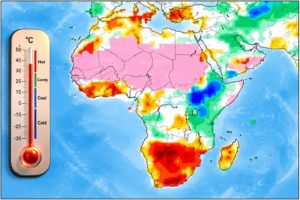
Botswana is entering a period that requires preparation and resilience. The country is currently under an El Niño Advisory Status, with the Department of Meteorological Services warning that the phenomenon could strengthen during the latter part of 2026 and potentially persist into early 2027.
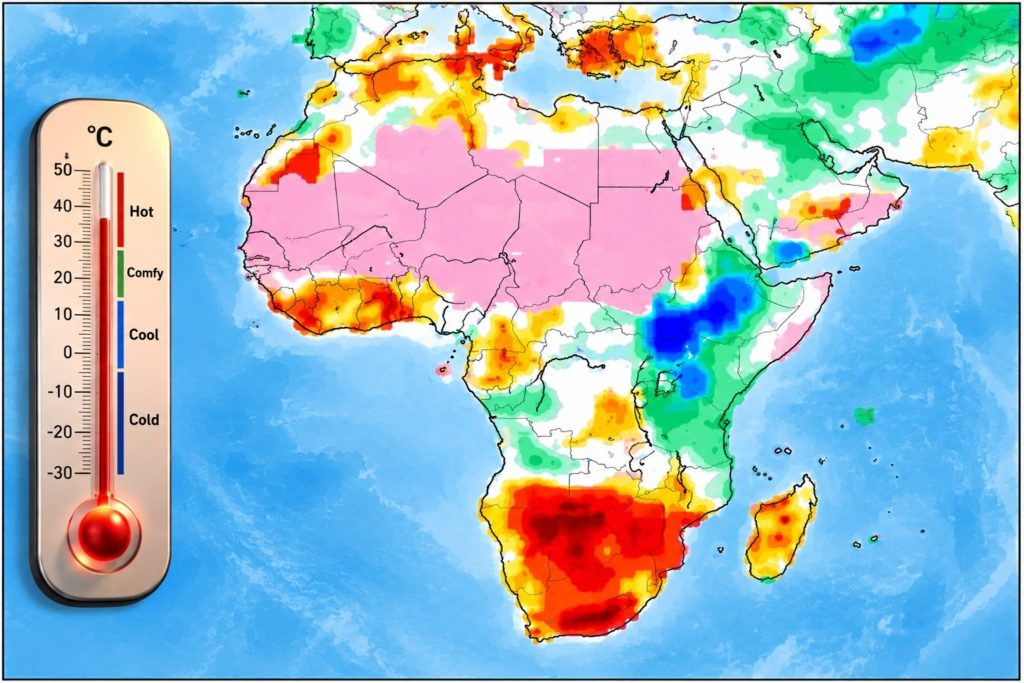
The 2026/27 regional outlook indicates an increased likelihood of below-normal rainfall and above-average temperatures across Botswana.
For Batswana, El Niño is more than a climate term. It can affect food production, water availability, livestock, electricity security, household costs, businesses and livelihoods.
What is El Niño?
El Niño is a natural climate pattern caused by unusually warm ocean temperatures in the central and eastern tropical Pacific Ocean. Although it occurs far from Botswana, it influences weather patterns around the world.
In Southern Africa, El Niño is commonly associated with drier conditions, delayed rainfall and higher temperatures, although impacts can vary.
SADC’s 2026/27 seasonal outlook favours below-normal rainfall across Botswana during October–December 2026 and January–March 2027, together with an increased likelihood of above-average temperatures.
What could El Niño mean for Botswana?
The effects can extend across several sectors:
- Agriculture: Reduced and delayed rainfall can affect crop production, with arable farming facing significant risk.
- Livestock: Reduced pasture and water availability can place pressure on cattle and other livestock.
- Water security: Higher temperatures increase evaporation while reduced rainfall can lower water levels, increasing pressure on households and businesses.
- Health: Prolonged high temperatures can increase the risk of heat-related illness, particularly among vulnerable groups and outdoor workers.
- Tourism and wildlife: Reduced water availability can affect ecosystems, wildlife movements and tourism-dependent communities.
- Energy: Drought conditions in Botswana and neighbouring countries can affect regional electricity availability, particularly where hydropower is involved.
- Increase demand for electricity to provide for cooling requirements
Turning Sunshine into Resilience
While El Niño presents significant challenges, it also highlights an opportunity for Botswana to strengthen its resilience.
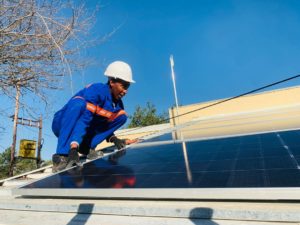
Botswana has an important natural advantage: abundant sunshine. The Government of Botswana states that the country receives more than 3,200 hours of sunshine annually, with solar irradiation among the highest in the world. Solar energy can help diversify electricity supply, support critical infrastructure and reduce dependence on conventional energy sources.
For schools, clinics, hospitals, businesses and households, combining solar PV with battery storage can provide greater energy resilience during power disruptions. Solar-powered water pumping can also support agricultural and community needs while reducing reliance on fuel-powered systems.
What Can Businesses and Households Do?
Businesses can strengthen resilience by considering:
- Solar PV and battery storage
- Energy-efficiency measures
- Smart energy monitoring and management
- Solar water heating
- Water-efficiency technologies
For households, solar PV and battery storage, solar water heating, energy-efficient appliances, water conservation and home energy monitoring can help reduce exposure to rising energy demands and power interruptions.
The goal is not simply to install technology. It is to build more resilient homes, businesses and communities.
From Vulnerability to Resilience
El Niño should serve as a reminder that Botswana needs continued investment in climate resilience, water security, renewable energy and resource efficiency.
Businesses, institutions and households can begin by asking:
How dependent are we on the grid?
How much energy and water are we wasting?
How vulnerable are our operations to power interruptions?
What can we do today to prepare for tomorrow?
El Niño brings uncertainty, but preparation gives Botswana choices. With abundant sunshine available, solar energy can be part of the solution , helping build greater energy security, resilience and sustainable development for the future.
Call to Action ?
Don’t Wait for the Next Power or Water Crisis
El Niño is a warning to prepare not a reason to wait.
Now is the time for households, farmers, businesses, schools, clinics and communities to assess their energy and water resilience.
Sustainable Energy Botswana can help assess your requirements and identify practical solutions combining
Solar PV
Battery Energy Storage
Solar-Powered Water Pumping
Water Storage & Management
Energy Efficiency & Monitoring
Resilient Power for Businesses and Critical Infrastructure
Start with an Energy Resilience Assessment
Contact Sustainable Energy Botswana today to assess your property’s electricity consumption, water-pumping requirements, backup needs and solar potential.
Don’t wait for the drought, the next power interruption or the next high electricity bill.
Turn Botswana’s sunshine into resilience.
Media Contact:
Tachenama Nomsa Pusoetsile
Marketing & PR Officer
African Sun Energy
Email: pusoetsile@africansunenergy.com | Phone: +267 2404895